





In Cromer, households quietly adjusted their daily routines over several months, separating food scraps and placing them into green bins alongside garden waste as part of an early trial now shaping how food waste will be collected across the Northern Beaches.
Where It Started in Cromer
Cromer was among the first areas included in a pilot program testing new ways to manage household food waste. Alongside Dee Why, around 1,700 households took part in the initial phase, which ran from October 2025 to March 2026.
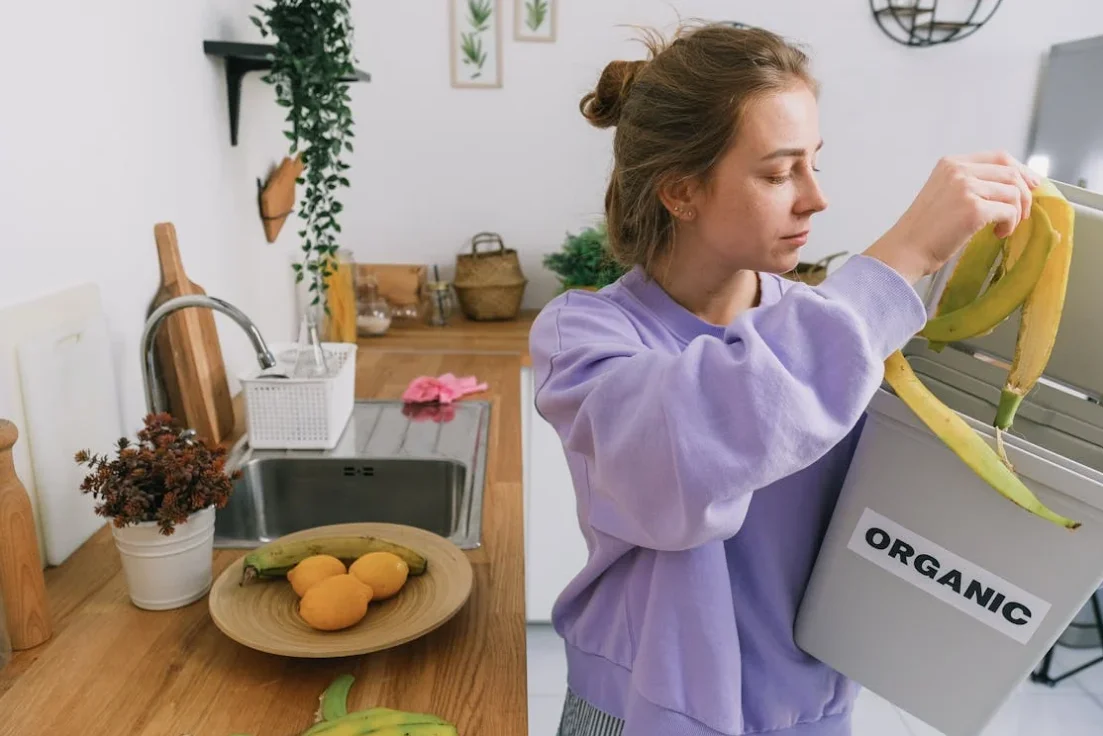
Participants were asked to collect food scraps in kitchen caddies before adding them to their existing green bins with garden waste. Over the course of the trial, approximately 330 tonnes of combined organic material was collected, processed and sent for recycling.
The approach focused on reducing the amount of food waste sent to landfill by integrating it into an existing waste stream, offering an early look at how households respond to changes in disposal habits.
What Cromer Showed
The experience in Cromer provided an early indication that households were prepared to adapt to new waste practices. The inclusion of different housing types also ensured that the trial reflected a range of living conditions, from standalone homes to higher-density settings.
While the collected volume demonstrated that organic waste could be diverted for recycling, further assessment is still required to determine how this method compares with other collection systems.
From Green Bins to a New Approach
Insights from Cromer and Dee Why are now informing the second phase of the trial, which introduces a separate burgundy bin for food waste only. Rather than combining materials, this stage focuses on testing a more targeted collection system.
Around 1,200 households in other Northern Beaches suburbs are taking part in this next phase, which runs from 21 April to 2 September 2026. Participants have been provided with new bins, kitchen caddies and liners to support the change.
This shift marks a move away from the mixed green-bin approach first trialled in Cromer, as different methods are assessed side by side.
Cromer’s Role in What Comes Next
The broader goal is to establish an effective, long-term system for collecting household food waste across the Northern Beaches. Findings from the initial phase, including those from Cromer, are being used to guide how the service may develop.
As the trial continues, the early experience in Cromer remains a reference point for what has already been tested and what may work at a larger scale.
Published 20-Apr-2026


