


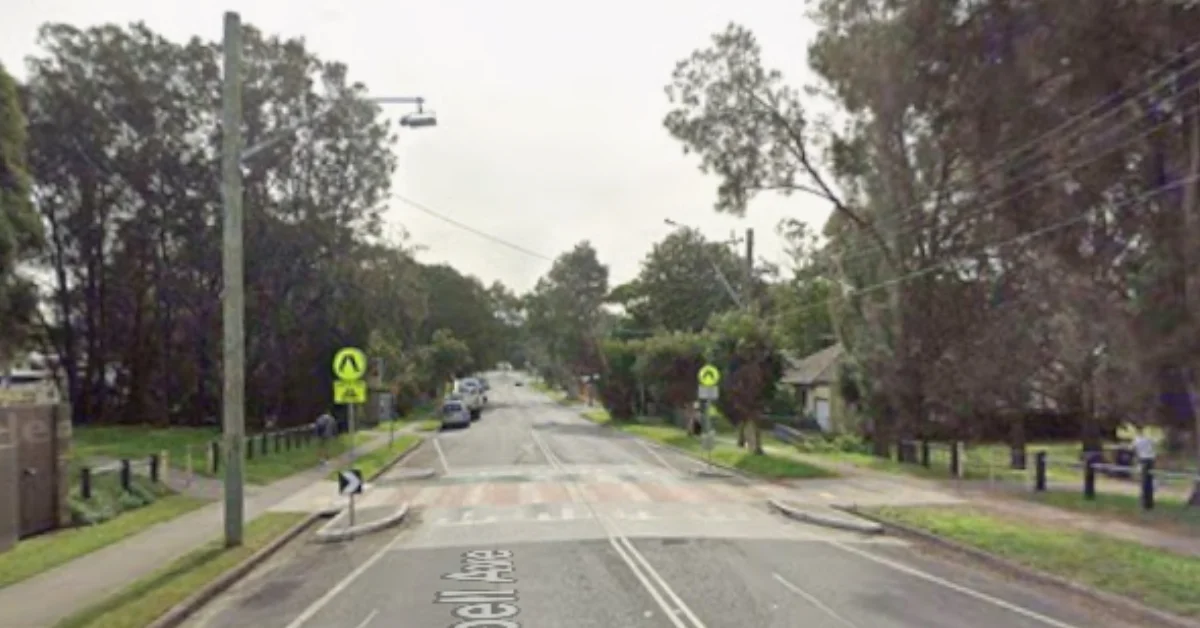
A Cromer crossing is facing renewed attention after an e-bike collision brought fresh focus to how the priority path operates for people walking, riding, and driving.
Read: Teen E-Bike Rider Injured In Cromer Crossing Collision
NSW Police and NSW Ambulance were called to Campbell Avenue shortly after 3pm on August 3, following a collision between an e-bike and a car at the crossing. The 14-year-old rider suffered minor injuries and was taken to hospital in a stable condition. Police officers also attended and made inquiries at the scene.
The incident has drawn attention to a crossing designed to give people walking and riding priority over vehicles.
How the Cromer crossing works
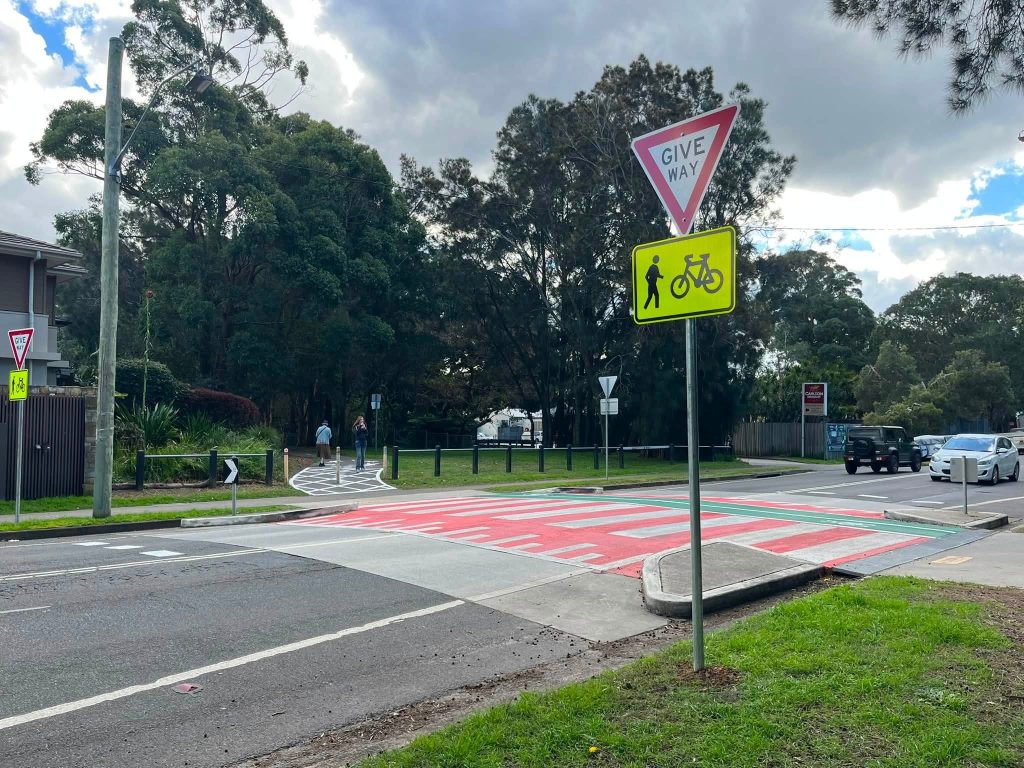
The Campbell Avenue crossing has operated as a priority path crossing since late 2021. It forms part of a regional shared path between Dee Why Beach and Narrabeen Lagoon.
Unlike a conventional pedestrian crossing, the treatment is designed for both pedestrians and bicycle riders. Under NSW road rules, vehicles approaching a priority path crossing must give way to pedestrians and bicycle riders using the crossing. The NSW Government’s design guidance says the treatment is intended to prioritise pedestrian and cycling movements.
The crossing has recently received updated signs and line markings, changes welcomed by Bicycle NSW.
The cycling organisation has also highlighted a broader issue with priority path crossings, saying they have generated confusion and safety concerns in some locations. Bicycle NSW said the treatments are relatively new and that information about how they work and their benefits for road users has been limited.
It also pointed to different combinations of signs, line markings and colours being used by different local authorities. Following the incident, questions have also been raised about visibility around the crossing.
Visibility and road-user awareness
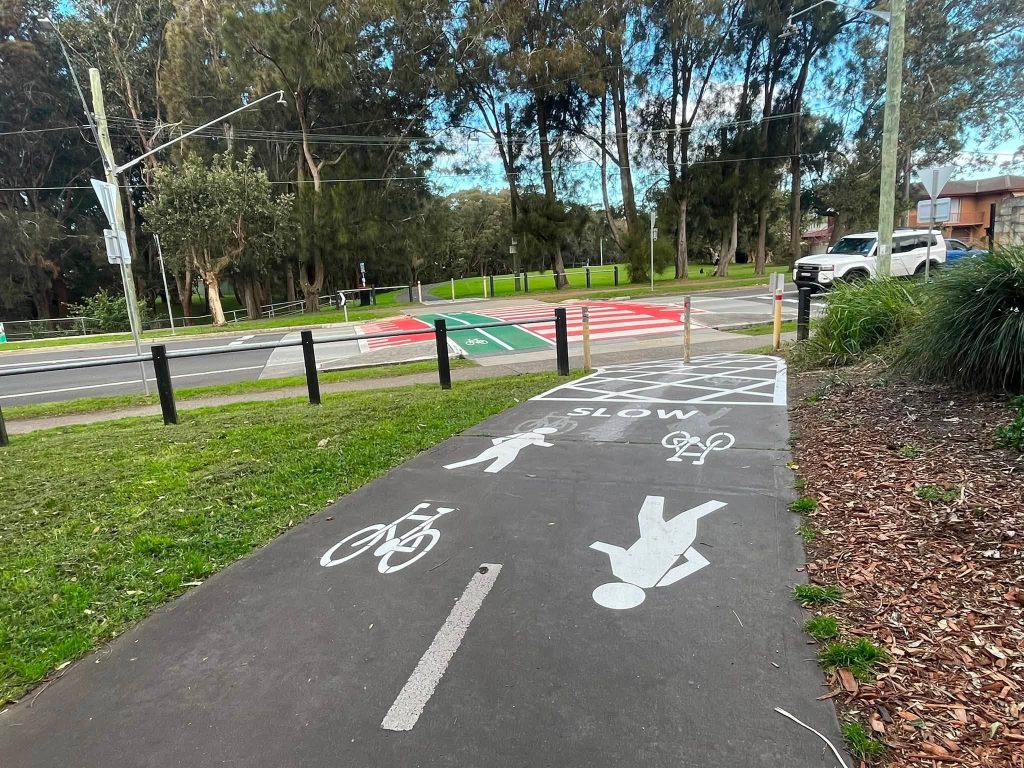
Northern Beaches officials said the crossing was designed by engineers in accordance with the relevant standards at the time it was installed. They have also confirmed that vegetation around the site was reviewed, with several trees identified for trimming to improve visibility. That work was completed in late July, shortly before the latest collision.
Local officials have said zigzag markings are not required at the location because they are generally used where visibility is obstructed by road alignment or other site-specific conditions. Following serious incidents, local officials say they will work with authorities to determine whether additional safety measures are needed.
The Campbell Avenue crossing has previously been the site of other reported incidents, including a collision involving an e-bike rider in May 2026 and a pedestrian incident reported in November 2024.
A shared road environment
For drivers, NSW advises approaching priority path crossings with care and being prepared to stop. Its guidance also notes that people riding bikes move much quicker than people walking.
Read: Cromer Residents Furious as Grover Avenue Plan Causes Traffic Headaches
For people riding on the shared path, the priority crossing allows bicycle riders to remain on their bikes when crossing Campbell Avenue. The recent collision has also renewed attention on how clearly the crossing’s markings, signs and surrounding conditions communicate the priority arrangements to road users.
The priority arrangement remains in place, with local officials saying they will work with authorities to determine whether any additional safety measures are needed following serious incidents.
Published 15-August-2026